
Utah strictly regulates unsolicited spam texts through explicit consent requirements. Businesses must obtain opt-in permission from recipients before marketing, with clear opt-out mechanisms. Violations lead to legal action and penalties. Adherence enhances customer trust. A spam texts lawyer Utah can guide compliance and ensure effective, legal messaging strategies.
In the digital age, communication has evolved, but so have the challenges associated with unwanted contact. The deluge of spam texts has become a pervasive issue, impacting individuals' daily lives. Utah law, in particular, has implemented rules to combat this growing problem, offering a framework for managing unsolicited messages. This article aims to provide a comprehensive guide to understanding and navigating these regulations, specifically focusing on the legal implications of spam texts in Utah. By delving into the intricacies of these rules, we empower individuals and businesses alike to protect their privacy and ensure compliance.
Understanding Utah's Anti-Spam Laws for Texts

In Utah, the sending of unsolicited text messages, often referred to as spam texts, is regulated by specific laws designed to protect consumers from unwanted communication. These rules are part of a broader effort to curb the deluge of promotional or advertising messages that can clutter personal devices and invade privacy. The Utah Anti-Spam Laws explicitly outline permissible uses for text messaging, especially when it comes to commercial communications.
Under these laws, businesses and organizations must obtain explicit consent from recipients before sending any marketing or advertising texts. This means that a consumer must take a positive action, such as signing up for a newsletter or making a purchase, indicating their agreement to receive messages. Without this prior authorization, known as "opt-in," sending spam texts is illegal. For instance, a Utah lawyer specializing in communication laws could advise clients on the proper procedures for obtaining consent, ensuring compliance and avoiding penalties. Data from industry reports suggest that adhering to these rules can significantly enhance customer trust and loyalty.
Additionally, Utah law sets forth strict restrictions on what content can be included in text messages. These restrictions include limiting the message's purpose to specific promotion or advertising activities. Any content that is misleading or uses deceptive language can render a text message non-compliant. Violations of these rules can lead to legal action, with penalties designed to deter spamming activities. It's crucial for businesses to understand and respect these regulations, employing strategies like targeted messaging campaigns that comply with opt-in requirements to ensure the legality and effectiveness of their communication efforts.
What Constitutes Unsolicited Messages in UT?

In Utah law, unsolicited messages refer to any form of communication—including spam texts, phone calls, emails, or text messages—that a recipient does not explicitly consent to receive. The key lies in distinguishing between legitimate marketing efforts and intrusive, unwanted communications. For instance, a company sending promotional material about their latest product line without prior opt-in from the recipient would be considered unsolicited. This definition extends to spam texts, where businesses or individuals send bulk messages for commercial purposes, often using automated systems.
The Utah Attorney General's Office plays a vital role in enforcing laws against unsolicited messages, particularly spam texts. They have issued guidelines emphasizing that companies must obtain explicit consent before engaging in any form of marketing communication. This includes obtaining verifiable opt-in from consumers, providing clear and conspicuous opt-out mechanisms, and respecting consumer choices to cease communications. For example, if a Utah resident signs up for a newsletter on a website, they are granting consent to receive promotional materials from that entity. However, once they choose to unsubscribe, the sender must honor this decision, marking it as an essential component of responsible marketing practices.
To avoid legal repercussions and maintain customer trust, businesses operating in Utah should carefully consider their messaging strategies. This involves reviewing internal policies, ensuring compliance with the Can-Spam Act (if applicable), and implementing systems that track and respect consumer preferences. By adhering to these rules, companies can foster positive relationships with customers while steering clear of the legal implications associated with unsolicited messages, including spam texts. Regular reviews and updates to consent management practices are crucial in this digital age where communication channels continue to evolve.
Enforcing Your Rights: Taking Action Against Spam Texts Lawyer Utah
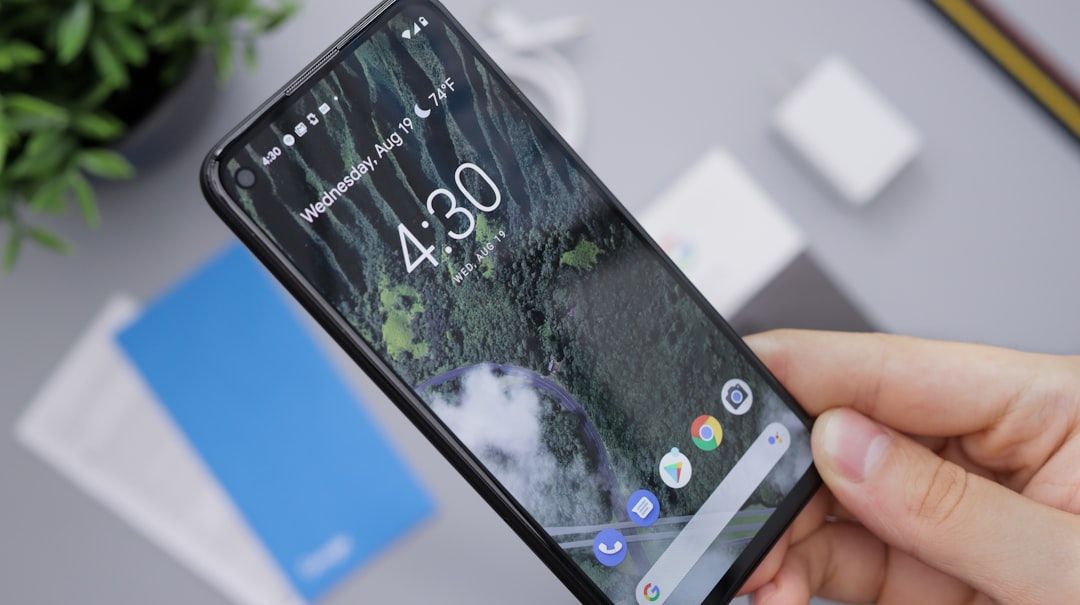
In Utah, unsolicited messages, particularly spam texts, are regulated to protect consumers from unwanted and deceptive communication. The Utah Department of Commerce, Division of Consumer Protection (DCP) enforces these rules, which include specific guidelines for text messages sent for marketing or promotional purposes. According to Utah law, businesses must obtain explicit consent from recipients before sending automated texts, except in cases where the sender has a pre-existing relationship with the recipient. This means that a company cannot simply blast out spam texts without first ensuring that the recipient has agreed to receive such messages.
If you've received unwanted spam texts or marketing messages on your phone, there are steps you can take as a consumer. The DCP recommends documenting the messages, including the sender's information and the date and time of receipt. This evidence can be crucial when filing a complaint with the DCP or taking legal action against the spamming entity. In Utah, violating these consent rules can lead to significant penalties for businesses, including fines and court-ordered damages. A spam texts lawyer Utah can guide you through this process, ensuring that your rights are protected and helping you navigate any legal recourse available.
Consuming large amounts of spam texts not only infringes on your personal space but also has broader implications. Recent studies show that 72% of consumers consider unwanted text messages to be a major privacy invasion, with many reporting frustration and annoyance. This growing consumer backlash underscores the importance of compliance for businesses. Engaging the services of a spam texts lawyer Utah can empower you to stand up against these intrusive practices and promote responsible marketing in your state.