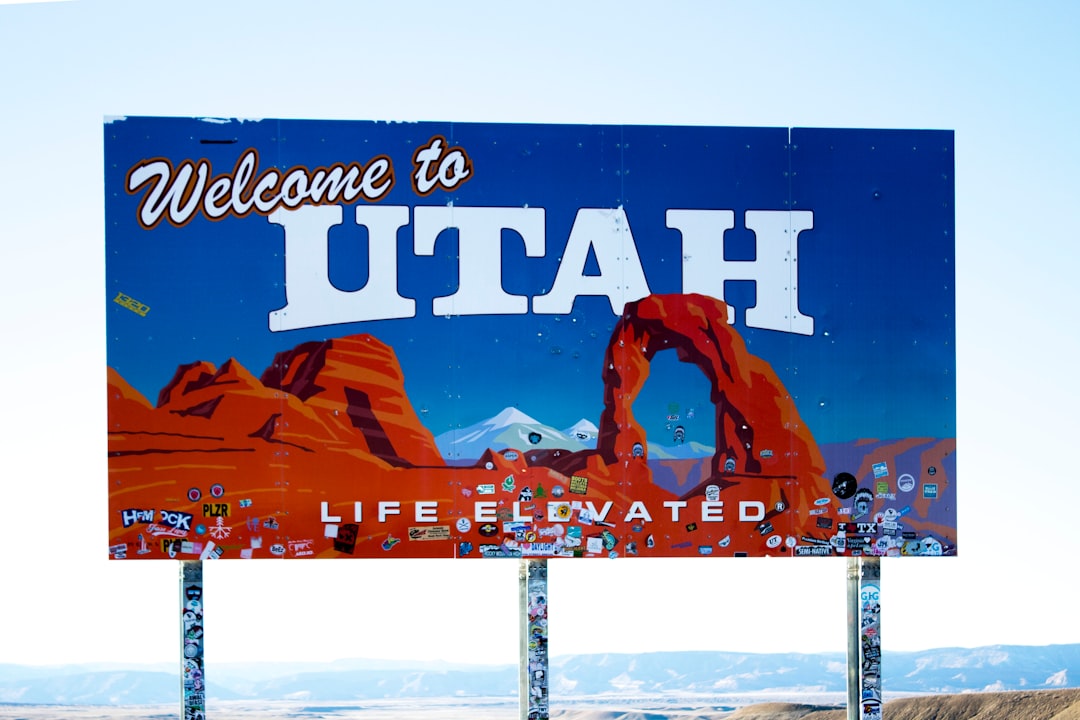
Utah's spam texts laws rigorously control bulk SMS marketing to protect residents from unwanted messaging. Key provisions include explicit consent for commercial messages, fines up to $500 per violation, and strong enforcement by the Attorney General's Office. Businesses must obtain opt-in permission through transparent mechanisms, ensuring consumer privacy and autonomy. Non-compliance carries significant legal repercussions.
Unsolicited messages, particularly spam texts, have become a pervasive issue for many Utah residents. Navigating the complex web of communication laws can be challenging, leaving individuals unsure about their rights and options when confronted with unwanted messaging. This article delves into the rules governing unsolicited messages in Utah law, providing a comprehensive guide to help residents understand and protect themselves from spam texts. By clarifying these regulations, we aim to empower folks to take control of their digital communication and ensure compliance with Utah’s stringent privacy standards.
Understanding Utah's Spam Texts Laws

Utah’s spam texts laws are designed to protect residents from unwanted and deceptive messaging, offering a robust framework for maintaining communication standards. The state has implemented stringent regulations that govern the distribution of bulk text messages, often referred to as SMS spam. These laws are particularly relevant in an era where mobile communication is ubiquitous, ensuring that businesses and individuals alike adhere to ethical practices.
Under Utah law, a person or entity cannot send a text message to a recipient who has not consented to receive such messages. This includes commercial advertising, promotional offers, or any content that might be considered unsolicited. Violations of these spam texts laws can result in significant fines, with penalties reaching up to $500 per violation. The Utah Attorney General’s Office actively enforces these rules, emphasizing the importance of informed consent and respect for individual privacy.
A key aspect of Utah’s approach is the requirement for explicit consent. This means that businesses must obtain permission from recipients before sending any marketing or advertising texts. Opt-in mechanisms should be clear and easily accessible, allowing users to choose whether they wish to receive such messages. For instance, a business collecting phone numbers at an event should ensure each participant understands and agrees to potential future text communications. By implementing these practices, Utah’s spam texts laws promote a balanced approach that respects consumer choices while fostering responsible marketing strategies.
Who Does Utah Law Protect Against Unsolicited Messages?

Utah law takes a firm stand against unsolicited messages, particularly spam texts, aiming to protect residents from unwanted communication. The state’s regulations focus on ensuring consumers’ privacy and peace of mind, limiting how businesses and individuals can contact them. Under Utah law, an “unsolicited message” is broadly defined as any advertising or promotional material distributed to a consumer without their prior consent, including text messages, emails, and phone calls.
The protections extend to various entities, but the primary focus is on safeguarding consumers from intrusive spam texts. This includes individuals, small businesses, and large corporations operating within Utah’s borders. For instance, a local restaurant cannot send promotional text messages about daily specials to customers who have not explicitly agreed to receive such communications. Similarly, out-of-state companies seeking to market their products or services in Utah must adhere to strict guidelines to avoid unsolicited messaging.
To enforce these rules, Utah has implemented stringent penalties for violators. Businesses found guilty of sending spam texts can face substantial fines and legal repercussions. Consumers who experience persistent unwanted messages have recourse through the state’s regulatory bodies, which investigate complaints and take appropriate action. This robust legal framework underscores Utah’s commitment to maintaining a harmonious balance between businesses’ marketing efforts and individuals’ right to privacy in the digital age.
Defining Unsolicited Commercial Messages in Utah

In Utah, unsolicited commercial messages, often referred to as spam texts, are regulated under a series of laws designed to protect consumers from unwanted marketing practices. At their core, these rules define and delineate what constitutes an unsolicited message, providing businesses and consumers with clear boundaries. The state’s approach emphasizes the consumer’s right to privacy and autonomy over their communication channels.
Under Utah law, an unsolicited commercial message is broadly defined as any advertising or promotional material delivered via electronic means, including text messages, emails, and direct mail, without prior explicit consent from the recipient. This definition underscores the importance of obtaining consent—a fundamental principle in mitigating spam texts. For instance, a business cannot send bulk text messages promoting its services to numbers it has acquired through public databases or third-party list brokers without first securing consent from the subscribers.
Practical implementation necessitates a deep understanding of consumer expectations and preferences. Businesses must be vigilant in obtaining explicit opt-in consent, often through clear and concise opt-in forms or checkboxes during initial transactions or interactions with potential customers. Moreover, Utah’s laws allow consumers to opt out of future communications easily, further emphasizing the need for transparent and compliant marketing practices. Compliance not only avoids legal repercussions but also fosters trust and strengthens consumer relationships in the digital age.
Legal Limits on Sending Spam Texts in Utah

In Utah, the rules regarding unsolicited messages, particularly spam texts, are clearly defined to protect consumers from unwanted communication. The state’s laws restrict businesses and individuals from sending mass text messages for marketing purposes without prior consent. This measure is part of a broader effort to curb the practice of spamming, which has become a pervasive issue in modern digital communication.
The Utah law specifically addresses electronic communications, including texts, and gives consumers the right to opt-out of such messaging. Businesses must obtain explicit consent from recipients before sending any promotional or advertising text messages. This means that companies cannot rely on pre-established business relationships or implied consent; instead, they must secure an affirmative agreement from the individual. For instance, a company selling home appliances online should never send spam texts promoting their latest sales to customers who have not opted in for such communications.
Penalties for violating these rules can be severe, with individuals facing fines and businesses potentially liable for damages. It’s crucial for marketers to understand and adhere to these laws, especially considering the high volume of text messages sent daily. According to a 2022 study, over 90% of consumers in Utah prefer to opt-out of unwanted texts rather than risk spamming. Therefore, businesses must implement robust systems to ensure compliance, including obtaining explicit consent and providing easy opt-out mechanisms for all marketing communications via text.
Enforcing and Penalizing Violations of Utah Spam Laws

The spam texts Utah law enforcement takes a strict approach to protect residents from unsolicited messages. Violations of these laws carry significant penalties, reflecting the state’s commitment to maintaining a peaceful and undisturbed digital environment. Authorities actively monitor and investigate complaints, employing advanced tracking technologies to identify culprits behind mass spamming campaigns. This proactive stance ensures that those who send unwanted communications face tangible consequences.
For instance, sending more than 25 automated text messages per month without prior consent from recipients can trigger legal action. Companies engaging in such practices may be fined up to $10,000 for each violation, with additional penalties for willful or repeated offenses. Moreover, businesses must obtain explicit opt-in permission before initiating automated text message campaigns, demonstrating a deep understanding of and adherence to Utah’s spam laws.
Practical advice for businesses is to implement robust consent management systems, ensuring every customer interaction is transparent and voluntary. Regular audits and employee training on compliance best practices are essential to avoid unintentional violations. By prioritizing customer privacy and consent, businesses can minimize the risk of legal repercussions while fostering a positive relationship with their target audience.